About me as a psychologist and how I work
As a clinical psychologist, my role is to help people with understanding how their thoughts, feelings and behaviours interact with keeping difficulties going but also how they can help find ways forward. This involves thinking together about your current life situation but also thinking about how past experiences may have influenced these.
What this can feel like in practice in that I am asking a lot of questions. It is OK to say “Harvey, that’s something I don’t want to talk about” as well as “I want to talk about this thing”. The reason for finding out how things are going, including things going well as well as things not going so well, is to help think together with you around what is keeping the difficulties going, alongside what it is that is helping you through.
We call this coming together to build a formulation or understanding of the difficulties.
Through understanding the formulation, we can work on identifying what the goals and treatment plan would be for therapy. For some people, having an understanding of what is going on can be enough to help them move forward (or helping others understand). For other people it helps identify the steps that are needed and therapy can help to work on these, having support to test out the ideas and to have a thinking space outside of your everyday life.
This is reviewed throughout to see if the therapy is helping but also to consider what things may need to be done differently. For some people, through starting therapy they may feel that it is not the right time for them to work on making changes and that is OK too.
A key thing in therapy is also what we call the therapeutic relationship. To be able to talk to someone new, in a new place about personal things from our past or present can feel daunting and it can take a bit time to be able to trust any professional. I work flexibly in my approach and for some people they may want a family member present and in my work with children and young people, there are times when it can be really helpful to have parents present to help with the understanding and support in and out of sessions.
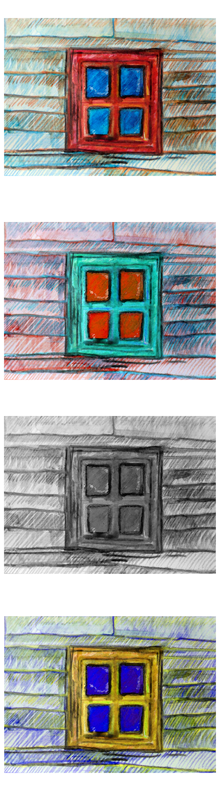
Sometimes, it can be hard to talk and drawing or writing may help. For other people they may prefer speaking on their own and having somewhere and someone private to help. What we can do when we first meet is to think about which approach would be most comfortable.